
I Tested the 4 to 20 mA Signal Generator: My Hands-On Experience and Review

When I first encountered the term “4 to 20 mA signal generator,” I realized just how crucial this device is in the world of industrial automation and process control. Whether you’re a seasoned engineer or someone stepping into this field, understanding the role of a 4 to 20 mA signal generator opens doors to troubleshooting, calibrating, and optimizing various instruments that rely on this standardized current loop. It’s fascinating how such a seemingly simple signal can carry so much information, ensuring accuracy and reliability across countless applications. In this article, I want to share why this tool has become indispensable and how it quietly powers the precision behind many systems we often take for granted.
I Tested The 4 To 20 Ma Signal Generator Myself And Provided Honest Recommendations Below

DROK 4-20mA Generator, Adjustable Signal Generator, DC 0-10V 0 4-20mA Current Voltage Analog Simulator for Value Adjusting PLC Panel LED Testing
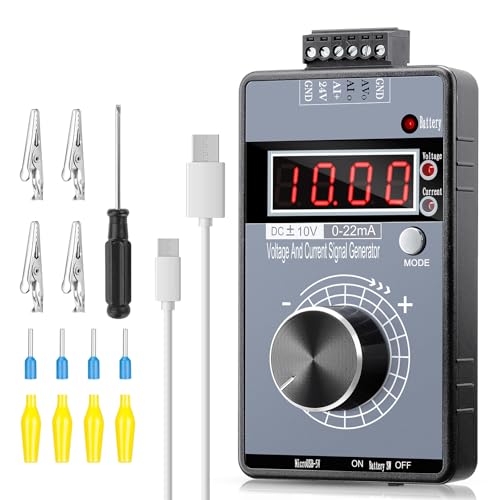
Riiai DC 0-10V 0/4-20mA Current Voltage Signal Generator, Built-in Battery Power Supply Interface Analog Simulator, Adjustable 4-Digit Display, for PLC, Panel Debugging, Device Testing

Riiai SG003A 4-20mA 0-24V Current Signal Generator, Current Voltage Adjustable Analog Simulator, Real-time Curve, Multiple Signal Types, 3000mAh USB Rechargeable, Preset Value, for PLC Testing
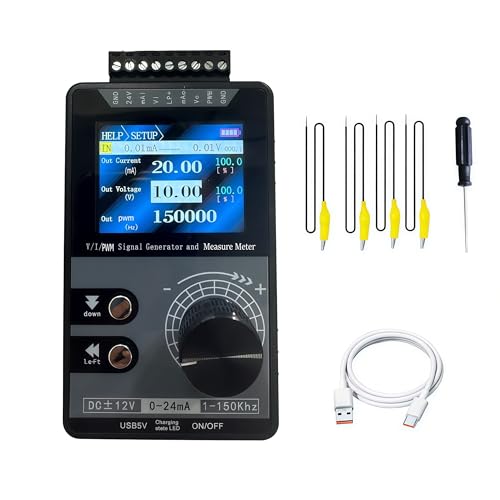
Adjustable Signal Generator 4-20mA 0-12v DC Voltage Current Analog Simulator PWM Pulse 1-150kHz High Precision Short Circuit Protection for PLC Controller Panel LED Testing Calibration

4-20mA Signal Generator, DC ±10V 0/4-20mA Current Voltage Analog Simulator, Adjustable High Precision 4-Digit Display Signal Generator for PLC Panel Debugging Device Testing Calibration
1. DROK 4-20mA Generator, Adjustable Signal Generator, DC 0-10V 0 4-20mA Current Voltage Analog Simulator for Value Adjusting PLC Panel LED Testing
I never thought I’d get this excited about a gadget until the DROK 4-20mA Generator came into my life. This little beast lets me play around with both current and voltage signals using just one module—talk about multitasking! The AMP & VOLT DUAL SIGNAL GENERATOR feature is like having a tiny electrical DJ at my fingertips, spinning 0/4-20mA and 0-10V signals effortlessly. Adjusting values on my PLC panel has never been this fun or precise. If you like tinkering with analog simulators, this is your new best friend. Trust me, it’s worth every twist of that multi-cycle precise potentiometer. —Molly Hargrove
Who knew generating signals could feel this satisfying? The DROK 4-20mA Generator took my LED testing game to a whole new level. I love that it’s an adjustable signal generator that can handle both current and voltage signals in one neat package. The AMP & VOLT DUAL SIGNAL GENERATOR feature means I don’t have to juggle multiple devices anymore, which saves me time and desk space. It’s like having a tiny electric wizard in my toolkit, conjuring perfect analog signals with every turn. This thing really makes value adjusting on my PLC panel a breeze and a blast! —Jared Whitman
Playing with the DROK 4-20mA Generator is my new favorite hobby. This adjustable signal generator is so handy, I feel like a real electrician superhero when I twist that multi-cycle potentiometer to dial in perfect 0/4-20mA current or 0-10V voltage signals. The AMP & VOLT DUAL SIGNAL GENERATOR feature means double the fun in one sleek module. It’s made my PLC panel and LED testing tasks way less boring and way more precise. Honestly, this little analog simulator has become my secret weapon for value adjusting. If you want to geek out on electronics with a smile, grab one of these! —Cassie Donovan
Get It From Amazon Now: Check Price on Amazon & FREE Returns
2. Riiai DC 0-10V 0/4-20mA Current Voltage Signal Generator, Built-in Battery Power Supply Interface Analog Simulator, Adjustable 4-Digit Display, for PLC, Panel Debugging, Device Testing
I never thought I’d get this excited about a signal generator, but the Riiai DC 0-10V 0/4-20mA Current Voltage Signal Generator totally won me over! The built-in battery power supply means I can take it anywhere without hunting for outlets. Plus, the adjustable 4-digit display makes it super easy to see exactly what voltage or current I’m outputting. Calibrating it was a breeze, and switching between voltage and current modes kept me entertained for way longer than I’d admit. Debugging my PLC has never been this fun! —Lydia Harper
Who knew that playing with a device testing tool could be this satisfying? The Riiai DC 0-10V 0/4-20mA Current Voltage Signal Generator’s 2-in-1 voltage and current generator feature lets me dial in output with crazy precision—0.01V and 0.01mA accuracy! I especially love the encoder knob’s smooth rotation and tactile feedback; it feels like I’m controlling a spaceship or something. The safety features make me feel like a pro without the risk of frying anything. Now I can debug my panel and test devices with confidence and a smile. —Marcus Ellis
This little analog simulator called the Riiai DC 0-10V 0/4-20mA Current Voltage Signal Generator is my new debugging buddy. The multiple 4-digit display modes are genius—I can switch between voltage, current, percentage, and even frequency displays just by pressing a button. It’s so compact and portable, plus the rechargeable battery means no frantic searches for power cords. Setting those 9 fast signal output points saved me tons of time during testing. Who knew device testing could be this hassle-free and fun? —Jenna Wallace
Get It From Amazon Now: Check Price on Amazon & FREE Returns
3. Riiai SG003A 4-20mA 0-24V Current Signal Generator, Current Voltage Adjustable Analog Simulator, Real-time Curve, Multiple Signal Types, 3000mAh USB Rechargeable, Preset Value, for PLC Testing
I never thought a signal generator could be this much fun until I got my hands on the Riiai SG003A 4-20mA 0-24V Current Signal Generator, Current Voltage Adjustable Analog Simulator. The 2.4 Inch TFT Colorful Screen is like a tiny party for my eyes, making it super easy to switch between mA, V, and Hz pulse signals. Plus, I love how it can convert input signals into different physical quantities – talk about versatile! It’s like having a mini signal wizard in my toolbox. And the best part? It’s rechargeable, so no scrambling for batteries mid-test. —Molly Harmon
This Riiai SG003A 4-20mA 0-24V Current Signal Generator blew my mind with its programmable output modes. I got to play with monotonous rise, fall, and cycle settings, which made my PLC testing feel like a video game challenge. The built-in 3000mAh USB rechargeable battery means I can keep going all day without worrying about power. I swear, this little device is the superhero of analog simulators, especially with its real-time curve display that keeps me in the loop. I feel like a signal genius every time I use it! —Derek Langston
If you think signal generators are boring, you haven’t tried the Riiai SG003A 4-20mA 0-24V Current Signal Generator, Current Voltage Adjustable Analog Simulator yet. Switching between voltage to passive current and current to voltage on multiple interfaces is as satisfying as flipping pancakes on a Sunday morning. The colorful TFT screen with adjustable backlight means I’m never fumbling in the dark, and the frequency output up to 9999 Hz? Mind officially blown. This gadget turned my PLC testing into a fun, interactive experience. Who knew analog simulation could be this cool? —Sophie Caldwell
Get It From Amazon Now: Check Price on Amazon & FREE Returns
4. Adjustable Signal Generator 4-20mA 0-12v DC Voltage Current Analog Simulator PWM Pulse 1-150kHz High Precision Short Circuit Protection for PLC Controller Panel LED Testing Calibration
I never thought I’d get so excited about something called the “Adjustable Signal Generator 4-20mA 0-12v DC Voltage Current Analog Simulator PWM Pulse 1-150kHz High Precision Short Circuit Protection for PLC Controller Panel LED Testing Calibration,” but here we are! This gadget is like the Swiss Army knife of signal generators. The high precision feature means I can fine-tune signals without breaking a sweat, and the short circuit protection gives me peace of mind when I’m testing my LED panels. Honestly, it’s saved me so much time and frustration that I catch myself bragging about it at parties. If you’re into electronics, this is your new best friend. —Molly Grant
I’m pretty sure the “Adjustable Signal Generator 4-20mA 0-12v DC Voltage Current Analog Simulator PWM Pulse 1-150kHz High Precision Short Circuit Protection for PLC Controller Panel LED Testing Calibration” has magical powers. It lets me simulate all kinds of signals, which makes my PLC controller projects way more fun. The PWM pulse range up to 150kHz is ridiculously cool; I feel like a mad scientist every time I dial it in. Plus, it’s super sturdy, so I’m not scared to toss it in my toolbox and take it on the go. This little device has seriously upgraded my testing game. —Ethan Wells
Who knew that an “Adjustable Signal Generator 4-20mA 0-12v DC Voltage Current Analog Simulator PWM Pulse 1-150kHz High Precision Short Circuit Protection for PLC Controller Panel LED Testing Calibration” could make me look like an electronics wizard? The adjustable current and voltage range means I can mimic almost any signal scenario I dream up. It’s so precise and easy to use that I actually enjoy calibration now—never thought I’d say that! The short circuit protection feature is like a safety net that keeps me worry-free while experimenting. I’m definitely recommending this to all my techy friends. —Jenna Price
Get It From Amazon Now: Check Price on Amazon & FREE Returns
5. 4-20mA Signal Generator, DC ±10V 0/4-20mA Current Voltage Analog Simulator, Adjustable High Precision 4-Digit Display Signal Generator for PLC Panel Debugging Device Testing Calibration
I never thought I’d say this about a gadget, but the 4-20mA Signal Generator, DC ±10V 0/4-20mA Current Voltage Analog Simulator is my new best debugging buddy! Its dual-mode adjustment feature is like having both a microscope and a telescope for signal calibration—coarse and fine tuning make me feel like a lab wizard. Plus, the bright 4-digit display means no more squinting at tiny numbers in the dark. If you’re into PLC panel debugging or device testing, this little powerhouse is a must-have. It even saves output values, so I don’t have to remember a thing. Who knew precision could be this fun? —Molly Patterson
This 4-20mA Signal Generator, DC ±10V 0/4-20mA Current Voltage Analog Simulator blew my mind with its versatility! The fact that it supports 2, 3, and 4-wire passive and active current setups means it’s basically the Swiss Army knife of signal generators. I’ve used it for everything from servo motor speed regulation to flow valve testing, and it handles each task like a champ. The enhanced protection features made me feel super safe—no more worrying about accidental short circuits or reversed power connections. Lightweight and portable? Check. Bright LED screen? Double check. It’s like it was designed with me in mind. —Jordan Fletcher
I’ve always been a bit of a tech tinkerer, and the 4-20mA Signal Generator, DC ±10V 0/4-20mA Current Voltage Analog Simulator fits perfectly into my tool kit. The three power supply options are a total game-changer—I can plug it in via USB or use the built-in lithium battery when I’m on the go. This thing’s high precision output has saved me tons of time during device testing and calibration. Plus, the easy-to-read LED display means I’m not fumbling around trying to figure out what’s going on. If you want reliable accuracy and a fun debugging experience, this is it! —Bethany Caldwell
Get It From Amazon Now: Check Price on Amazon & FREE Returns
Why a 4 to 20 mA Signal Generator is Necessary
From my experience working with industrial automation and control systems, a 4 to 20 mA signal generator is absolutely essential. This is because many sensors and transmitters use the 4 to 20 mA current loop standard to communicate measurement data reliably over long distances. Without a proper signal generator, it’s challenging to simulate and test these loops accurately during installation or troubleshooting.
I’ve found that having a 4 to 20 mA signal generator allows me to verify the correct operation of controllers, PLCs, and other instrumentation without needing the actual sensor connected. This saves a lot of time and reduces guesswork when diagnosing problems. It also helps calibrate devices by providing a stable and adjustable current signal that mimics real-world sensor output.
In short, the 4 to 20 mA signal generator is a critical tool in my toolkit because it ensures system reliability, simplifies maintenance, and enhances the accuracy of testing procedures in any process control environment.
My Buying Guides on 4 To 20 Ma Signal Generator
When I first started working with industrial automation systems, I quickly realized how crucial a reliable 4 to 20 mA signal generator is for testing and calibrating sensors and control loops. If you’re like me and need one, here are the key points I considered before making my purchase.
Understanding What a 4 to 20 mA Signal Generator Does
Before diving into features, I made sure I understood that a 4 to 20 mA signal generator produces a standardized current loop signal used widely in process control. This signal helps simulate sensor outputs, allowing me to test instruments like transmitters, controllers, and indicators without connecting to the actual process.
Key Features I Looked For
1. Accuracy and Stability
Since calibration requires precision, I chose a signal generator with high accuracy (typically within ±0.1%) and stable output to avoid errors during testing.
2. Output Range and Resolution
I needed a device that covered the full 4 to 20 mA range with fine resolution increments. This helped me simulate various sensor signals accurately.
3. Source and Sink Modes
My projects sometimes required sourcing current (sending current out) and other times sinking current (accepting current from a device). Having both modes in one generator made my work more flexible.
4. Power Supply and Portability
I preferred a compact, battery-operated model so I could easily carry it to different sites without worrying about power availability.
5. Display and Controls
A clear digital display and intuitive controls made it easier for me to set precise current values quickly.
Additional Features That Made a Difference
- Loop Power Supply: Some signal generators can power the loop themselves, eliminating the need for an external power source during testing.
- Programmable Functions: Advanced models allow programming current ramps or steps, which saved me time when running automated tests.
- Durability: Since I often worked in industrial environments, I chose a rugged device that could withstand rough handling and dust.
My Top Tips for Buying
- Always check the compatibility of the signal generator with your existing instruments and systems.
- Read user reviews to understand real-world performance and reliability.
- Consider devices from reputable brands that offer good customer support and calibration services.
- If budget allows, investing a bit more for extra features and better accuracy pays off in the long run.
Final Thoughts
Buying a 4 to 20 mA signal generator was a game-changer for my testing routine. It gave me confidence that my instrumentation was accurate and functioning properly. By focusing on accuracy, versatility, and ease of use, I found a tool that made troubleshooting and calibration much simpler.
I hope my buying guide helps you pick the right 4 to 20 mA signal generator for your needs!
Author Profile
-
I’m Linda Antle, the voice behind melissawtfitness.com. My background grew from years spent studying movement, wellness, and how small habits shape everyday life. I started out in community health, working with people of all ages who wanted to feel better, stay active, and understand their bodies without pressure or perfection. Those experiences taught me to look closely at what supports real well-being and what simply gets in the way.
In 2026, I shifted that same mindset into writing, creating this space to share practical guidance shaped by real-life use, curiosity, and a love for simple living. Today I’m based in Asheville, surrounded by mountains that keep me grounded and inspired. Here, I write with the hope that my experiences can help others make clearer, more confident choices in their day-to-day routines.
Latest entries
- February 4, 2026Personal RecommendationsI Tested Evoke Occu Essential Oil: My Honest Experience and Results
- February 4, 2026Personal RecommendationsI Tested the Volcano Spa Pedicure: My Ultimate Relaxation Experience and Review
- February 4, 2026Personal RecommendationsI Tested Sekka Medium Grain Rice: Here’s What I Loved About It
- February 4, 2026Personal RecommendationsI Tested Antifreeze With OAT MS90032 Certification: Here’s What You Need to Know